
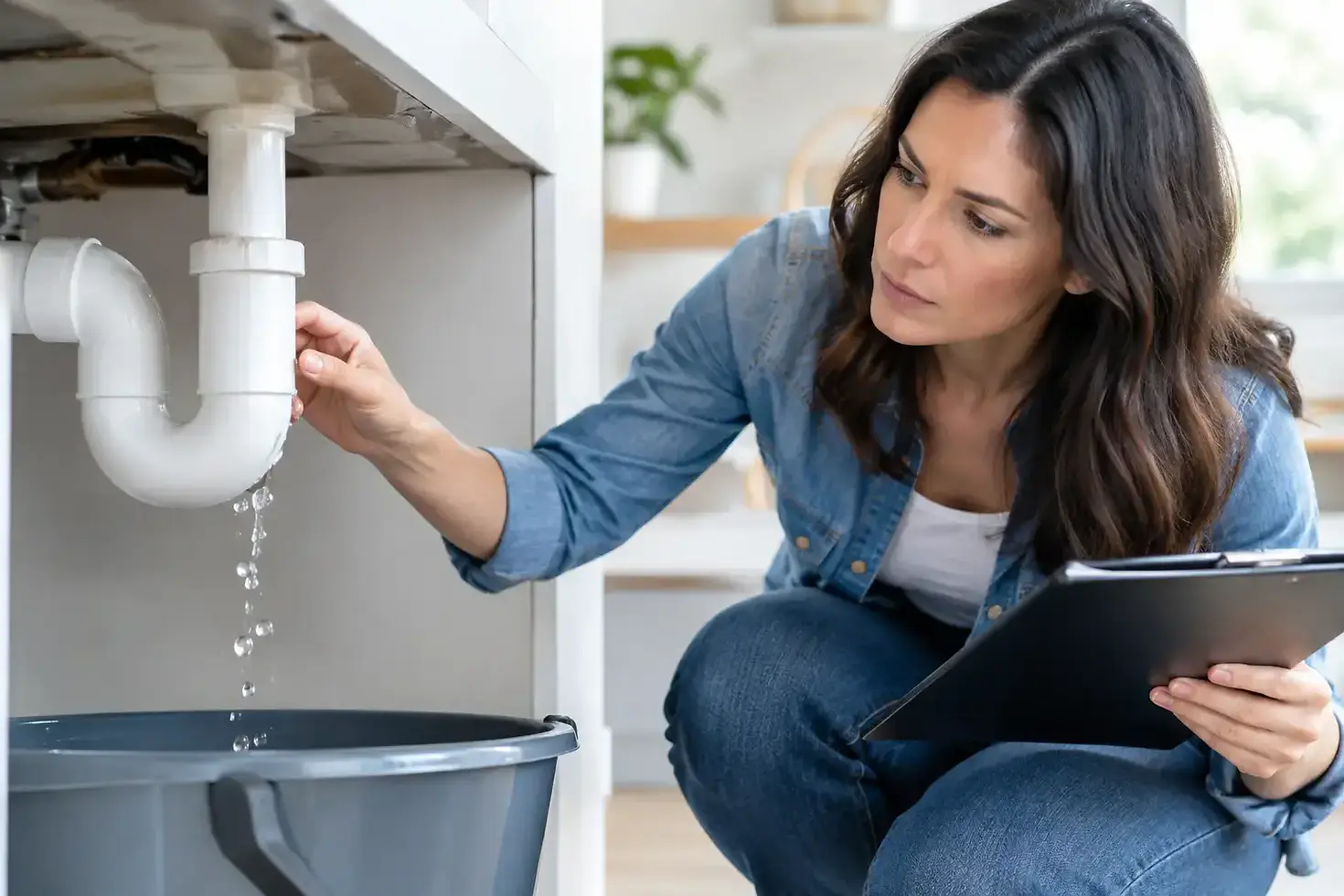
Does Insurance Cover Pipe Leaks? What to Know
A pipe can leak quietly behind a wall for weeks, then suddenly show up as a stained ceiling, warped flooring, or water spreading across a room. When that happens, one of the first questions homeowners ask is: does insurance cover pipe leaks? Often, it may cover the water damage caused by a sudden, accidental leak. But coverage for the damaged pipe itself, as well as the reason it failed, can be a different matter.
The details of your homeowners policy, the cause of the leak, and how long the problem has been developing all affect the answer. Knowing the difference can help you act quickly, protect your home, and avoid surprises during a claim.
Does Insurance Cover Pipe Leaks Caused by Sudden Damage?
Most standard homeowners insurance policies are designed to cover sudden and accidental water damage from a plumbing failure. For example, coverage may apply if a supply line bursts under a sink, a pipe freezes and breaks, or a hidden pipe suddenly fails inside a wall.
In those situations, a policy may help pay to repair resulting damage to covered parts of the home. That can include drywall, flooring, cabinets, insulation, or personal belongings affected by the water. If a room must be opened to reach the damaged area, your insurer may also consider certain restoration costs as part of the claim.
There is an important distinction, though. Insurance may cover the damage caused by the water, but not necessarily the cost to repair or replace the worn, corroded, or failed pipe. A homeowner policy generally protects against unexpected losses, not routine plumbing maintenance or the gradual aging of a home’s systems.
For instance, if an old pipe suddenly bursts and damages a kitchen ceiling, the ceiling repairs may be covered after your deductible. The cost to replace that deteriorated section of pipe may be your responsibility. Every policy is different, so the claims adjuster and your policy language will determine the final decision.
When a Pipe Leak May Not Be Covered
The biggest issue in many pipe leak claims is whether the loss was sudden or gradual. A slow leak that has been dripping inside a cabinet, crawl space, or wall over an extended period can create rot, mold, damaged subflooring, and structural concerns. Insurers often exclude damage tied to long-term leakage, neglect, wear and tear, or a lack of maintenance.
That does not mean a hidden leak is automatically excluded. Some leaks are concealed and impossible for a homeowner to detect until damage becomes visible. The key question is usually whether the evidence suggests a sudden failure or a problem that had been occurring for some time.
Coverage can also be limited when a leak is connected to an excluded cause. Common situations that may not be covered include poor workmanship from a previous repair, corrosion, defective materials, repeated seepage, or damage caused by failing to maintain heat in the home during freezing weather.
A policy may also treat water that comes from outside the home differently than water from an indoor plumbing line. Flooding from heavy rain, groundwater, and backed-up sewers or drains often require separate coverage or an added endorsement. Do not assume that all water damage is handled the same way.
The Pipe Repair and Water Damage Are Often Separate Issues
Homeowners are understandably frustrated when they hear that insurance may pay for damaged walls but not for the plumbing repair that caused the problem. Still, that separation is common.
Think of it this way: the pipe is part of the home’s plumbing system and is expected to need maintenance or eventual replacement. The damage from a sudden burst pipe is the unexpected event. Insurance is more likely to respond to the unexpected damage than to the underlying condition of an aging pipe.
This can matter with slab leaks and underground water lines. If a pipe beneath a concrete slab fails, the policy may have different rules for locating the leak, accessing the line, repairing the home afterward, and replacing the line itself. Some policies provide limited access coverage, while others offer endorsements that expand protection. Review your declarations page and ask your insurance agent specific questions before a problem occurs.
What to Do as Soon as You Find a Leak
Fast action can limit water damage and show your insurance company that you took reasonable steps to protect the property. First, shut off the water supply to the affected fixture or use the home’s main shutoff valve if necessary. If water is near electrical outlets, appliances, or your electrical panel, keep clear of the area and take appropriate safety precautions.
Next, call a qualified residential plumber. The immediate goal is to find the source, stop the leak, and prevent additional damage. A professional can identify whether the issue involves a fixture connection, a supply line, a drain line, a pipe inside a wall, or an underground line. That diagnosis matters for both the repair plan and any insurance documentation.
Take clear photos and videos before removing damaged materials when it is safe to do so. Record standing water, damaged floors or ceilings, visible pipe failures, and affected belongings. Keep receipts for emergency plumbing, water extraction, temporary protection, and other reasonable steps taken to prevent further damage.
Then contact your insurance company or agent to report the loss. Ask whether you should wait for an adjuster before beginning non-emergency repairs. In many cases, stopping the leak and removing standing water should not wait. Major demolition or restoration work may need insurer approval, so good communication is essential.
Questions to Ask Your Insurance Company
When you report a pipe leak claim, direct questions can help clarify what happens next. Ask whether your policy covers the resulting water damage, the cost of opening a wall or floor to access the pipe, and the repair of the pipe itself. Confirm your deductible and find out whether the claim is subject to any water damage limits.
It is also wise to ask how the insurer handles mold, damaged personal property, temporary relocation, and water mitigation services. If sewage or wastewater is involved, ask whether you have a sewer backup endorsement. That situation has additional health concerns and is often handled differently than a clean-water supply line leak.
Keep copies of every estimate, invoice, photo, and conversation related to the claim. A plumber’s written findings can be especially useful when the cause of the leak is not obvious. Clear records help establish what failed, when the problem was discovered, and what was done to reduce damage.
How to Reduce the Risk of a Denied Claim
Insurance cannot prevent a leak, but regular maintenance can reduce the chance of a major failure and strengthen your position if one happens. Watch for unexplained increases in your water bill, musty odors, damp cabinet bases, discolored walls, reduced water pressure, and the sound of water running when fixtures are off. These can be early signs of a hidden plumbing issue.
During cold Tennessee weather, protect exposed plumbing, disconnect outdoor hoses when temperatures drop, and keep the home heated if you will be away. If your home has older pipes, recurring leaks, or underground water and sewer concerns, address them before they become an emergency.
Avoid delaying repairs because a small leak seems manageable. A minor drip can lead to damaged building materials, mold concerns, and a more complicated insurance conversation. A professional inspection and timely repair are usually less disruptive than waiting for a pipe to fail completely.
When to Call a Professional Plumber
A homeowner should not have to guess whether water is coming from a supply line, a drain, a water heater connection, or a hidden pipe. Accurate diagnosis is the first step toward a proper repair and useful documentation for your insurer.
Cornerstones Plumbing provides dependable residential plumbing service for homeowners across Middle Tennessee. If you notice water damage, low water pressure, an unexplained high water bill, or signs of a concealed leak, calling a trusted professional promptly can help protect your home while you sort out insurance coverage.
A pipe leak is stressful enough without uncertainty about the next step. Shut off the water when possible, document what you see, and get the leak assessed quickly so the problem stays as small as possible.


Comments