

Emergency Plumber Checklist for Tennessee Homes
A burst supply line can soak flooring in minutes. A sewer backup can make a bathroom unusable just as quickly. This emergency plumber checklist helps Middle Tennessee homeowners take calm, safe action before professional help arrives - without turning a serious plumbing problem into a larger repair.
The goal is not to diagnose or repair the issue yourself. It is to protect your family, limit water damage, and give your plumber clear information when they arrive. If water is spreading, sewage is present, or you are unsure whether it is safe to stay near the problem, treat the situation as urgent.
Emergency Plumber Checklist: First Actions
Start with safety. Water and electricity are a dangerous combination, especially around water heaters, appliances, outlets, and extension cords. Do not walk through standing water if you suspect it may be near an electrical source. If there is a risk of electrical contact, turn off power to the affected area only if you can do so safely from a dry location. Otherwise, step away and contact the appropriate emergency service.
Next, stop the water source if possible. For a leaking toilet, sink, or washing machine, there may be a local shutoff valve nearby. Turn the valve clockwise slowly. If a fixture valve will not move easily, do not force it. A damaged valve can break and release more water.
When the leak cannot be isolated, shut off the home’s main water supply. Many Tennessee homes have the main shutoff near the water meter, in a utility area, crawl space, basement, garage, or outside wall. Every homeowner should know its location before an emergency occurs. Once the main water is off, open a cold-water faucet briefly to relieve remaining pressure in the lines.
Then take these steps while you wait for an emergency plumber:
Keep children and pets away from wet areas, sewage, hot water, and damaged fixtures.
Move furniture, rugs, electronics, and personal belongings away from spreading water when it is safe to do so.
Use towels, buckets, or pans to contain a small active leak after the water has been shut off.
Take photos or short videos of visible damage, the source of the leak, and any affected belongings for your records.
Avoid using plumbing fixtures that may be connected to the problem, including toilets, sinks, showers, dishwashers, and washing machines.
These steps can reduce the scope of damage, but they do not replace a professional repair. Water may still be collecting behind walls, beneath flooring, or in a crawl space even after the visible flow stops.
Know Which Plumbing Problems Need Immediate Help
Not every drip requires an after-hours call. A faucet that leaks slowly into a sink can often wait for a scheduled appointment. A pipe releasing water under pressure, however, should not. The difference comes down to risk: risk to your home, health, water supply, and safety.
Burst or Actively Leaking Pipes
An active leak from a pipe, ceiling, wall, or appliance connection needs prompt attention. Shut off the closest valve or the main water supply and call for service. Water traveling through a ceiling is especially concerning because it can damage drywall, insulation, wiring, and structural materials. If a ceiling is sagging, stay clear of the area. Do not puncture it unless a qualified professional instructs you to do so.
Leaks can be more difficult to locate in crawl spaces or behind walls. A sudden drop in water pressure, the sound of running water when every fixture is off, wet spots on floors, or an unexplained jump in your water bill may point to a hidden line issue. These situations may not always produce visible flooding, but they still deserve quick professional evaluation.
Sewer Backup or Drainage from Multiple Fixtures
Sewage backup is a health concern, not simply a clogged drain. If wastewater comes up through a shower, tub, floor drain, or toilet, stop using water throughout the home. Flushing a toilet, running the dishwasher, or taking a shower can add more water to a blocked sewer line and worsen the backup.
Keep people and pets away from the contaminated area. Do not attempt to clear a main sewer blockage with household chemicals or a small drain tool. The issue may be caused by a clog, root intrusion, a damaged sewer line, or another underground problem that requires proper equipment and inspection.
Water Heater Emergencies
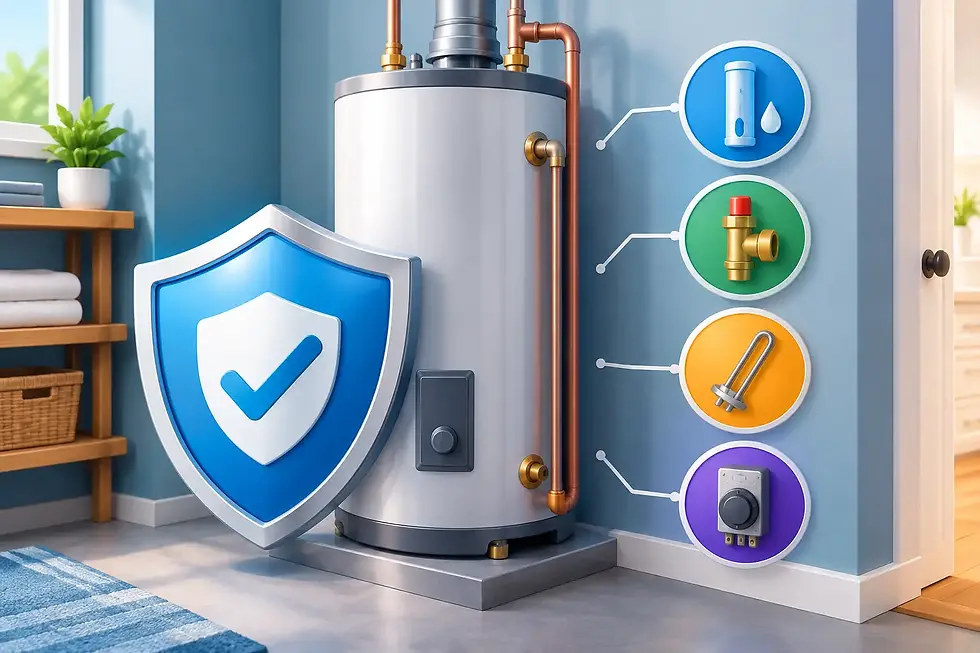
A leaking water heater, no hot water, discolored hot water, or unusual noises all call for attention, but certain signs require faster action. If water is pooling around the unit, shut off the cold-water supply valve above the heater if accessible and safe. For an electric water heater, turn off power at the breaker before touching any controls. For a gas water heater, do not attempt repairs yourself.
If you smell gas near a gas water heater, leave the area, avoid switches and open flames, and contact your gas utility or emergency services from a safe location. A rotten-egg odor is never something to ignore.
A leaking tank can fail further without warning. Even a slow leak may damage flooring, walls, or nearby stored items. A professional plumber can determine whether the issue is a connection, pressure-relief component, drain valve, or a failing tank.
No Water or Sudden Low Pressure
No water at one fixture may be a localized issue. No water throughout the house can indicate a main supply concern, a well-system problem, a major leak, or a utility interruption. First, check whether neighbors are experiencing the same issue. If they are, the water provider may already be working on it.
If the issue is limited to your home, do not keep turning valves on and off or disassembling fixtures. Check for visible leaks and call a qualified residential plumber. If you rely on a well, avoid running pumps or equipment unnecessarily until the cause is identified.
What Not to Do During a Plumbing Emergency
The fastest way to make an emergency more expensive is to use the wrong temporary fix. Chemical drain cleaners are a common example. They can damage certain pipes, create hazardous conditions, and complicate the work for the technician who must clear the line. They are particularly risky when a drain is completely blocked or backing up.
Do not use tape, putty, or clamps as a reason to turn water back on after a pipe failure. Temporary products can have a limited purpose in the right situation, but they rarely solve the cause of the leak. Pressure can force water around a weak repair and send it into places you cannot see.
Avoid repeatedly flushing a clogged toilet. If the bowl water is rising, remove the tank lid and close the flapper at the bottom of the tank to stop more water from entering the bowl. Then shut off the toilet’s supply valve. This can prevent an overflow while you arrange service.
It is also wise to avoid online repair advice that asks you to work around gas lines, electrical connections, water heater controls, or underground lines. A professional diagnosis protects the home and helps ensure the repair meets current plumbing requirements.
Information to Have Ready When You Call
A clear description helps a plumber prioritize the situation and arrive prepared. Explain where the issue is happening, when it started, whether the water is clean or sewage-contaminated, and what you have already done. Mention whether the main water has been shut off and whether the problem involves a water heater, toilet, main sewer line, or underground pipe.
If possible, share whether water has reached floors, walls, ceilings, or electrical equipment. You do not need to know plumbing terminology. A straightforward description such as “water is coming through the laundry room ceiling when the upstairs shower runs” gives a professional useful direction.
For homeowners in Lebanon, Shelbyville, Mount Juliet, Carthage, Gordonsville, Brush Creek, Smithville, and nearby communities, Cornerstones Plumbing, LLC provides dependable residential plumbing service focused on identifying the real cause and completing repairs correctly.
After the Immediate Problem Is Controlled
Once the water is off and professional help is on the way, begin protecting the affected space. Remove wet items that can be moved safely, and use fans only after electrical hazards have been ruled out. If sewage was involved, do not try to clean and sanitize the area yourself without proper protective measures. Contaminated materials, including carpet padding or drywall, may need specialized attention.
Keep notes on what happened, including the time you discovered the issue and when you shut off water. This can be helpful for repair planning and, if needed, conversations with your insurance provider. Do not throw away damaged components until the plumber has had an opportunity to inspect them.
A plumbing emergency is stressful, but a prepared response makes a real difference. Know where your main shutoff is, keep the area around it accessible, and call a trusted residential plumber when the problem risks your home, health, or safety.


Comments