

How to Hire an Emergency Plumber Fast Today
A burst pipe does not wait for a convenient time. Water spreading across a bathroom floor, a sewer backup in the home, or a water heater leaking into a utility room can turn stressful quickly. Knowing how to hire an emergency plumber before panic takes over helps you make a sound decision, protect your home, and get the right professional on the way.
The goal is not to find the first name that appears in a search. It is to find a qualified residential plumber who communicates clearly, understands the urgency, and can address the actual source of the problem. For Middle Tennessee homeowners, a dependable local plumber can make a difficult situation much more manageable.
First, Decide Whether You Need Emergency Plumbing Service
Not every plumbing concern requires immediate service, but some situations should not wait for the next available appointment. Active water leaks, no water service to the home, sewage coming up through drains, a burst or frozen pipe, and water heater leaks are all reasons to call promptly. These problems can damage flooring, drywall, cabinets, belongings, and electrical systems if left unaddressed.
A slow-draining sink or a dripping faucet is frustrating, but it may be suitable for a scheduled repair if it is contained and not worsening. The deciding factor is usually risk. If water is actively escaping, sewage is entering the home, or a major fixture has failed, treat the situation as urgent.
While waiting for a plumber, take reasonable steps to limit damage. Shut off the water supply to the affected fixture if you know where it is located. If the leak cannot be isolated, turn off the main water supply to the home. Move valuables away from standing water and keep children and pets clear of the affected area. For a water heater concern, do not attempt a repair yourself. If you smell gas near a gas water heater, leave the area and contact the appropriate emergency utility service first.
How to Hire an Emergency Plumber You Can Trust
An emergency creates pressure, and that pressure can lead homeowners to accept vague answers or unclear pricing. A professional plumber should still be able to explain what happens next, even if the complete repair cannot be diagnosed until they arrive.
Start by looking for a local company that focuses on residential plumbing. Home plumbing systems require a practical understanding of the equipment, materials, and common issues found in houses. A residential specialist is more likely to be prepared for concerns such as failed water heaters, damaged water lines, bathroom leaks, drain problems, and sewer line issues.
Local service also matters when time matters. A company that regularly serves your community understands the homes, water conditions, and infrastructure common in the area. For homeowners in Lebanon, Shelbyville, Mount Juliet, Carthage, Gordonsville, Brush Creek, Smithville, and nearby communities, choosing a local team provides a clearer path to follow-up service if repairs require additional work.
Confirm that the company is qualified and insured
Before authorizing work, ask whether the plumber is properly licensed for the work being performed and insured. This is not simply paperwork. It helps protect both the homeowner and the contractor if an unexpected problem occurs on the property.
You can also ask who will be coming to your home and whether they are part of the company’s trained plumbing team. A professional operation should be willing to identify itself clearly, explain its process, and treat your home with respect. Veteran-owned companies such as Cornerstones Plumbing, LLC often build their service approach around accountability, discipline, and doing the job correctly rather than rushing through a temporary fix.
Ask clear questions before service begins
You do not need technical plumbing knowledge to ask useful questions. Explain what you see, when it began, whether water has been shut off, and whether the issue is affecting other fixtures. Then ask the company about its availability, anticipated arrival window, service-call or emergency fee, and how estimates are handled.
It is reasonable to ask whether the technician will diagnose the issue before beginning larger repairs. In many emergency situations, the first priority is stopping the water, restoring safe operation, or preventing further damage. The permanent repair may require parts, excavation, replacement equipment, or a return visit. A trustworthy plumber will explain that distinction rather than making promises before the problem has been inspected.
Price matters, but the lowest number is not always the best value during an emergency. An unusually low quote over the phone may not include the actual repair, necessary materials, or after-hours charges. A clear explanation of the service process and likely costs is more useful than a vague bargain.
Watch for Warning Signs When Hiring a Plumber
A homeowner in a stressful situation deserves direct answers. Be cautious if a company will not provide its business name, cannot explain its pricing approach, pressures you to approve major work immediately, or refuses to put an estimate in writing when the scope of work is known.
Another concern is a plumber who treats the visible symptom as the entire problem without investigating the cause. For example, repeatedly clearing a drain may not solve a damaged sewer line, root intrusion, or a deeper blockage. Likewise, drying up water around a water heater does not identify whether the tank, a supply connection, a relief valve, or another component has failed.
There are exceptions. When water is pouring into a home, immediate action may be necessary before every detail can be documented. Even then, the plumber should communicate what they are doing, why it is needed, and what work may still be required afterward.
Choose Repair, Replacement, or a Temporary Solution Carefully
Emergency plumbing decisions often involve a trade-off between speed and long-term value. A repair may be the right choice when a part has failed and the underlying system is still in good condition. Replacement can be wiser when equipment is old, repeatedly failing, inefficient, or likely to cause another disruption soon.
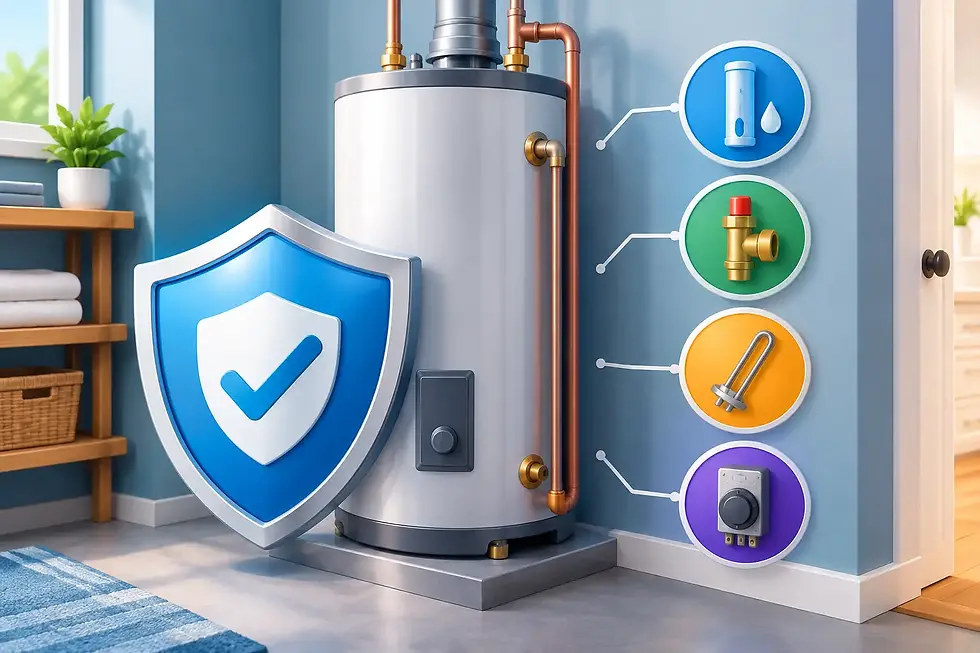
Water heaters are a common example. A minor connection or valve issue may be repairable. A leaking tank or a unit near the end of its useful life may call for replacement instead. Your plumber should consider the age and condition of the unit, the nature of the failure, your household’s hot-water needs, and the expected cost of each option.
The same principle applies to water and sewer lines. A small, accessible repair may be enough in one home. In another, recurring leaks or sewer backups may point to an underground issue that needs a more complete solution. The right answer depends on the diagnosis, not on a one-size-fits-all recommendation.
Prepare for the Plumber’s Arrival
Once help is scheduled, make the work area as accessible as possible. Clear belongings from around the water heater, under the sink, near the toilet, or around the affected drain. If the concern involves a crawl space, basement, or exterior cleanout, let the plumber know about access limitations, pets, gates, or anything else that could delay inspection.
Have a brief timeline ready. Mention recent renovations, freezing weather, changes in water pressure, unusual sounds, discolored water, recurring drain problems, or previous repairs. These details can help the technician narrow down the cause faster.
If damage has occurred, take a few photos for your records once the area is safe. This can be useful for insurance conversations later, but do not delay calling a professional while trying to document every detail. Stopping the source of the problem comes first.
Build a Relationship Before the Next Emergency
The best time to choose a plumber is before you need one urgently. Keep the contact information for a trusted residential plumbing company where every household decision-maker can find it. Learn where your home’s main water shutoff is located, and make sure it can be accessed without moving heavy items.
Routine attention can also reduce the chance of a late-night emergency. Have aging water heaters evaluated, address recurring drain concerns, and do not ignore changes in water pressure or unexplained wet spots in the yard. These are often early signs that deserve professional attention.
When a plumbing emergency happens, a calm call to a qualified local professional is one of the best ways to protect your home. Choose a plumber who answers questions directly, respects your property, and gives you confidence that the work will be handled with care.


Comments