
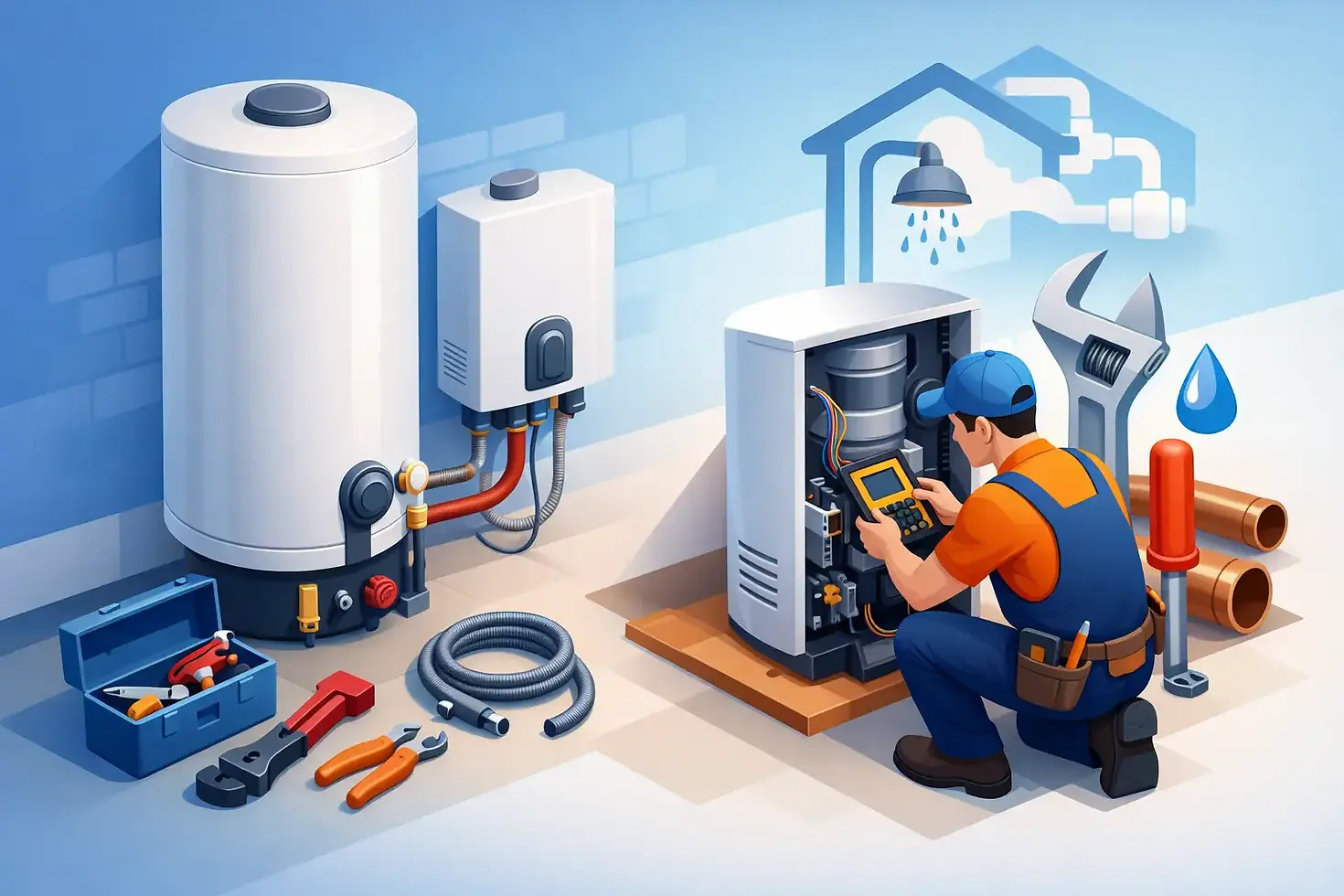
Water Heater Installation and Repair
Hot water problems rarely show up at a convenient time. One day your shower is fine, and the next you are standing in lukewarm water wondering whether you need a quick fix or a full replacement. For homeowners, water heater installation and repair is not just about comfort. It affects daily routines, utility costs, and confidence that your plumbing system is working the way it should.
A water heater is one of those home systems people tend to forget until it starts acting up. When it does, the right response depends on the age of the unit, the type of problem, and whether repair makes financial sense. Some issues can be resolved quickly by an experienced plumber. Others are signs that replacement is the smarter long-term move.
When water heater installation and repair becomes urgent
Some water heater problems are easy to spot. If you have no hot water at all, there is obviously a problem that needs attention. Other warning signs are less dramatic but still matter. Water that turns cold too fast, unusual popping or rumbling noises, rust-colored hot water, moisture around the tank, or a noticeable drop in water pressure can all point to a system that needs professional service.
Leaks deserve immediate attention. A small amount of condensation may not be a major issue, but standing water around the base of the tank is different. It can indicate a failing tank, a loose connection, or pressure-related trouble. Waiting too long can lead to water damage, higher repair costs, and a more stressful replacement process.
In many Tennessee homes, hard water can also shorten the life of a water heater. Mineral buildup settles in the tank over time, making the unit work harder and reducing efficiency. That extra strain often shows up as noise, slow heating, or inconsistent temperatures. If your system is older, those symptoms may be a sign that repair will only buy limited time.
Repair or replace? It depends on the unit and the problem
This is the question most homeowners ask first, and the honest answer is that it depends. Not every problem means you need a new water heater, but not every repair is worth making either.
If the issue is tied to a replaceable part, repair may be the practical choice. Faulty thermostats, heating elements, pressure relief valves, and some gas control components can often be addressed without replacing the full unit. When the tank itself is still in good condition, a targeted repair can restore reliable performance and extend the life of the system.
Age matters, though. Traditional tank water heaters often last around 8 to 12 years, depending on water quality, maintenance, and usage. Tankless systems may last longer, but they can still develop wear-related problems. If your water heater is near the end of its expected lifespan and needs a major repair, replacement is often the better investment.
Tank condition is another deciding factor. Once the tank is corroded or leaking, repair is usually not the answer. A leaking tank is not like a bad valve or loose fitting. It is a sign that the unit itself is failing. At that point, replacement is the safest and most dependable path forward.
There is also the cost question. A lower-cost repair on a fairly new unit can make perfect sense. A larger repair bill on an aging system that is already struggling may not. The goal is not just getting hot water back today. It is making sure the solution still makes sense six months from now.
What to expect from professional water heater installation and repair
A professional service call should start with a clear diagnosis, not guesswork. That means evaluating the water heater itself, checking visible plumbing connections, reviewing performance symptoms, and confirming whether the issue is electrical, gas-related, mechanical, or tied to the tank.
For repairs, the focus is on restoring safe, dependable function. That includes identifying failed parts, checking system pressure and venting where needed, and making sure the water heater is operating the way it should before the job is complete. Good repair work is not just about replacing one part. It is about making sure the larger system is still sound.
For installation, the process is more involved. A new water heater should be sized correctly for the home, installed to current code requirements, and connected in a way that supports efficiency and long-term performance. That includes proper shutoff valves, safe venting for gas units, correct electrical connections where applicable, and attention to expansion, drainage, and temperature settings.
This is one reason homeowners are usually better served by professional installation instead of trying to cut corners. Water heaters involve heat, pressure, water lines, and in many cases gas or electricity. A poor installation can lead to safety concerns, shortened equipment life, and expensive callbacks.
Choosing the right type of water heater for your home
If replacement is the right move, the next question is what kind of system best fits your household. That answer depends on usage, budget, available space, and what matters most to you over time.
Traditional tank water heaters remain a common choice because they are familiar, effective, and often less expensive upfront. For many families, a properly sized tank system does the job well. The trade-off is that tank units store a finite amount of hot water, so high-demand households may notice shortages during peak use.
Tankless water heaters offer a different approach. They heat water on demand rather than storing it, which can improve efficiency and provide a more continuous hot water supply. They can be an excellent fit for some homes, especially where energy savings and space are priorities. At the same time, they typically have a higher initial installation cost, and not every home is set up for an easy conversion.
Fuel type matters too. Gas and electric systems each have advantages, and the better option often depends on the home’s existing setup. A professional evaluation helps determine what will work best without creating unnecessary installation costs or performance issues.
Why proper sizing matters more than most homeowners think
A water heater that is too small will struggle to keep up with demand. A unit that is too large can waste energy and cost more than necessary. Sizing is not just about square footage. It has to account for how many people live in the home, when hot water is used most heavily, and whether large tubs, multiple bathrooms, or back-to-back appliance use are part of daily life.
This is where experience matters. Two homes with the same number of bedrooms may have very different hot water needs. A household with teenagers, frequent laundry, and morning shower traffic will place different demands on a system than a smaller household with lighter usage patterns.
Getting the size right affects comfort, efficiency, and how long the equipment holds up under regular use.
The value of local, reliable service
When a water heater fails, most homeowners are not looking for a plumbing lecture. They want honest answers, timely service, and workmanship they can trust. That is where a dependable local company makes a real difference.
A residential plumber who understands the needs of homeowners in Middle Tennessee can recommend solutions that fit the home, the budget, and the urgency of the problem. Sometimes that means making a solid repair and keeping a good unit in service. Sometimes it means replacing an aging system before it creates a bigger mess.
At Cornerstones Plumbing, LLC, that approach is simple: professional service, straightforward communication, and work done with care. For homeowners, that matters just as much as the equipment itself.
Don’t wait for a small problem to become a bigger one
Water heaters usually give some warning before complete failure, but those signs are easy to ignore when hot water is still mostly working. The risk is that a manageable repair can turn into a full emergency, especially when leaking or internal tank damage is involved.
If your water heater is making unusual noises, falling behind on hot water, showing signs of rust, or nearing the end of its lifespan, it is worth having it checked before the problem escalates. A timely professional evaluation can give you a clearer picture of whether repair is still a smart option or whether replacement is the more dependable choice.
Hot water should be one less thing to worry about in your home. When your system starts sending warning signs, the best next step is simple: have it handled by professionals who know how to do the job right.


Comments