

Best Water Filter for Hard Water in Your Home
Hard water rarely announces itself with one obvious problem. It shows up as white crust around faucets, cloudy spots on clean glasses, dry-feeling skin, stiff laundry, and a water heater that seems to work harder than it should. Homeowners searching for the best water filter for hard water often want a simple answer, but the right system depends on what is actually in the water and which problems you need to solve.
For many Middle Tennessee homes, a standard drinking-water filter is not enough. Hardness comes from dissolved calcium and magnesium, and those minerals can build scale inside pipes, fixtures, appliances, and water-heating equipment. A professional water evaluation helps identify whether you need a water softener, a filtration system, or a combination designed for your home.
What Hard Water Does to a Home Plumbing System
Hard water is not usually a health emergency, but it can be hard on a home. As water is heated or evaporates, calcium and magnesium are left behind as scale. You may notice it first on shower doors and faucet aerators. Over time, though, scale can collect inside the parts of your plumbing system you cannot see.
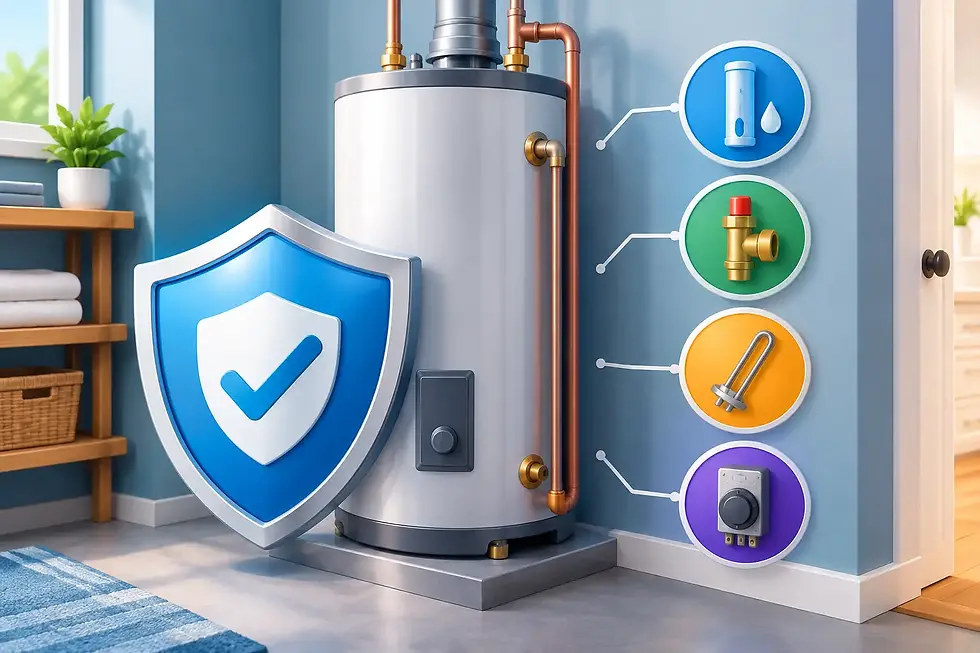
Water heaters are especially vulnerable. Mineral buildup can reduce heating efficiency, contribute to popping or rumbling sounds, and shorten the useful life of equipment. Scale can also restrict flow through showerheads, dishwasher lines, and other fixtures. Soap and detergent do not rinse as effectively in hard water, so families often use more cleaning products to get the same result.
The severity varies from home to home. Municipal water and private well water can both be hard, and well water may also contain iron, sediment, sulfur odors, or other concerns that affect system selection. That is why choosing equipment by brand name or an online star rating alone can lead to an expensive mismatch.
The Best Water Filter for Hard Water May Be a Softener
The most important point is straightforward: most filters do not remove hardness minerals. A water softener does.
A conventional ion-exchange water softener replaces calcium and magnesium with sodium or potassium ions. This process significantly reduces the minerals responsible for scale. For homeowners dealing with recurring white deposits, poor soap performance, or mineral buildup in a water heater, a properly sized softener is usually the most effective whole-home solution.
Calling it a “filter” is common, but the distinction matters. A basic carbon filter can improve taste and reduce chlorine in treated municipal water. It will not meaningfully soften hard water. A sediment filter catches dirt, sand, and rust particles, but it does not remove dissolved calcium and magnesium. Both can be valuable parts of a treatment system, just not substitutes for a softener.
For many households, the best setup is a whole-home softener paired with filtration that addresses the local water supply. The softener protects plumbing and appliances, while the filter handles chlorine, sediment, odors, or other water-quality issues identified through testing.
When a Whole-Home Softener Makes Sense
A whole-home softener is generally the right choice when hard-water symptoms appear throughout the house. This includes buildup in several bathrooms, frequent replacement of faucet aerators, spots on dishes, dry skin after bathing, or concerns about scale in a tank or tankless water heater.
The system should be sized for the household, not simply chosen as the largest unit available. Proper sizing considers water hardness, the number of people in the home, daily water use, and the home’s plumbing flow requirements. An undersized system may regenerate too often or allow hard water through. An oversized or poorly configured system can waste salt and water.
A licensed plumbing professional can help homeowners understand those trade-offs and install the equipment where it can be serviced properly. That matters because water treatment systems need drain access, bypass valves, shutoff connections, and enough room for routine maintenance.
When a Salt-Free Conditioner May Be Considered
Salt-free water conditioners are sometimes marketed as an alternative to softeners. These systems do not remove hardness minerals from the water. Instead, they are designed to change how minerals behave so they are less likely to form hard scale on surfaces.
They can be worth discussing for homeowners who want to reduce scale without adding salt, or where a traditional softener is not practical. However, they may not provide the same improvement in soap lather, laundry feel, or spot-free dishes as a true softener. Results also depend heavily on the water chemistry and the condition of the plumbing system.
A conditioner can be a reasonable choice in the right home, but it should not be sold as identical to soft-water treatment. Clear expectations are part of a good installation.
Choosing Filtration for the Water You Have
Once hardness is addressed, filtration can target the other characteristics of your water. The best water filter for hard water is often part of a larger treatment plan, especially for homes on private wells.
For city water, carbon filtration is commonly used to reduce chlorine taste and odor. Some homeowners prefer a whole-house carbon filter for bathing, cooking, laundry, and drinking water. Others use whole-home treatment for hardness and add a dedicated drinking-water system at the kitchen sink.
For well water, the plan may need to address sediment, iron, manganese, sulfur odor, bacteria, or other conditions before or alongside softening. Iron can stain toilets, sinks, and clothing orange or brown. Sulfur can create a rotten-egg smell. Sediment can clog fixtures and reduce the performance of treatment equipment. These concerns require equipment selected for the test results, not a one-size-fits-all filter.
Reverse osmosis is another option homeowners often ask about. It can produce high-quality drinking water at a single sink by reducing many dissolved substances. However, it is generally a point-of-use drinking-water solution, not a replacement for a whole-house softener. Installing reverse osmosis alone will not protect shower valves, water heaters, dishwashers, and plumbing lines from hard-water scale.
Start With Testing, Not Guesswork
Water treatment works best when it starts with accurate information. A water test can measure hardness and identify concerns that change the recommended equipment. For a private well, testing is particularly valuable because water conditions can vary by location and may change over time.
Homeowners should also consider what they are trying to improve. If the main concern is scale on fixtures and a struggling water heater, hardness treatment is the priority. If the concern is chlorine taste at the kitchen sink, drinking-water filtration may be enough. If the home has both scale and unpleasant odor, a combined approach may be necessary.
A good recommendation should explain what the system will do, what it will not do, and what maintenance it requires. Water softeners need salt or potassium replenishment and occasional service. Sediment and carbon filters require cartridge changes or media replacement. Reverse osmosis systems need scheduled filter and membrane maintenance. The right equipment is only helpful if it can be maintained reliably.
Protecting Water Heaters and Fixtures Matters
Hard-water treatment is not only about better-tasting water or cleaner glassware. It is also a practical way to protect major plumbing investments. Scale inside a water heater can affect efficiency and performance, while buildup in valves and fixtures can create avoidable service issues over time.
If your home already has noticeable mineral deposits, a professional can inspect the water heater, fixtures, and existing treatment equipment while evaluating your water. In some cases, flushing a water heater or replacing a restricted fixture is part of getting the system back on track. Treatment can help slow future buildup, but it cannot always reverse severe existing scale.
Cornerstones Plumbing helps homeowners make practical water-treatment decisions based on their plumbing, water source, and household needs. The goal is not to sell more equipment than necessary. It is to install a dependable solution that protects the home and delivers results you can notice.
When hard water is leaving its mark around your home, the most useful next step is a professional assessment. With the right water test and a properly sized system, you can protect your fixtures, support your water heater, and spend less time fighting mineral buildup.


Comments