
How to Know if a Water Softener Is Needed
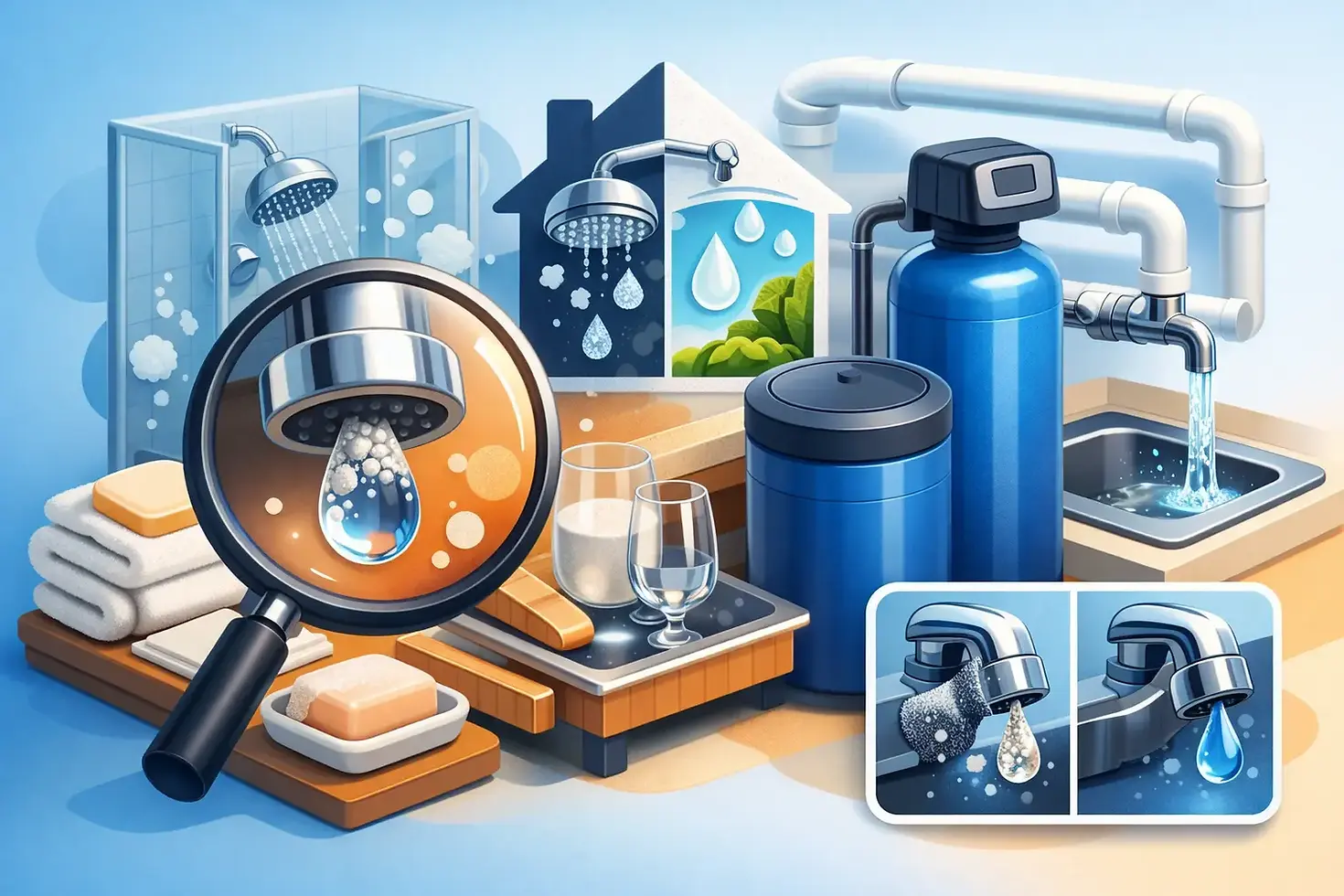
A white crust around a faucet may look like a cleaning problem, but it can be a sign that minerals are working through your home's plumbing every day. If you are wondering how to know a water softener is needed, start with the patterns you see in your fixtures, appliances, laundry, and daily water use. Hard water is common in many areas, but the right solution depends on your water quality, your home, and what the testing results show.
What Hard Water Does Inside a Home
Hard water contains dissolved minerals, mainly calcium and magnesium. These minerals are not usually a health concern, but they can create frustrating and expensive problems over time. As water heats up or evaporates, the minerals can be left behind as scale.
Scale builds on shower doors, faucets, dishwasher interiors, and coffee makers. More concerning, it can accumulate inside water heaters, supply lines, and appliances that use water. The buildup can make equipment work harder and may shorten its useful life if it is left unaddressed.
A water softener is designed to reduce the minerals that cause hardness. It is not the same as a water filter. Filtration systems can address concerns such as sediment, chlorine, odor, or certain contaminants, while a softener addresses hardness. Some homes benefit from one system, while others need a combination based on a professional water evaluation.
How to Know if a Water Softener Is Needed in Your Home
One sign alone does not always mean your home needs a softener. Several signs occurring together are a stronger reason to have the water tested.
Mineral Scale Keeps Returning
Look closely at faucets, showerheads, glass shower doors, and the area around sinks. White, chalky deposits or a tan, rust-colored residue that returns quickly after cleaning can point to mineral-heavy water. Hard-water scale may also restrict the small openings in showerheads, causing uneven spray or lower water flow.
Cleaning can remove the visible deposits, but it does not change the water causing them. If you are regularly scrubbing fixtures only to see scale return, it is worth finding out how hard your water actually is.
Soap Does Not Rinse or Lather Well
Hard water changes the way soap works. You may notice that shampoo, body wash, or hand soap seems difficult to rinse away. Instead of feeling clean, skin may feel dry or coated after a shower. Hair can seem dull, stiff, or harder to manage.
The same issue can show up with household cleaning. Dishes may come out of the dishwasher with spots or a cloudy film even when detergent and rinse aid are used correctly. Bathroom surfaces can develop soap scum faster because soap reacts with hardness minerals.
Laundry Feels Rough or Looks Faded
Minerals can cling to fabric during washing. Towels may feel scratchy, whites may appear gray or dingy, and colors can lose their brightness sooner than expected. You may also find yourself using more detergent to get acceptable results.
A softener can help soap and detergent perform more effectively, but it should not be viewed as a fix for every laundry issue. An aging washer, incorrect detergent use, or water temperature problems can also affect results. Testing gives you a clearer starting point.
Your Water Heater Shows Signs of Scale
Water heaters often reveal hard-water issues because heat accelerates mineral buildup. If you hear popping, rumbling, or crackling from a tank-style water heater, sediment and scale may be present at the bottom of the tank. Reduced hot-water performance, longer recovery times, or rising energy bills can also be related to buildup.
These symptoms do not automatically mean a water softener is the answer. A water heater may need maintenance, repair, or replacement. Still, if scale is repeatedly affecting the equipment, addressing the source of the minerals can help protect a new or repaired system.
Appliances Need More Frequent Attention
Dishwashers, washing machines, ice makers, humidifiers, and coffee makers can all be affected by hard water. If appliance instructions regularly recommend descaling, or if you are replacing parts sooner than expected because of mineral deposits, your water quality may be contributing.
Hard water can also affect plumbing fixtures behind the scenes. Mineral accumulation inside valves and aerators may contribute to reduced flow or inconsistent performance. A professional plumber can help determine whether the issue is scale, a plumbing repair need, or both.
A Water Test Is the Best Way to Confirm It
Visible signs are useful, but a water test provides the information needed to make a sound decision. Hardness is measured in grains per gallon or parts per million. In general, water is considered moderately hard above 3.5 grains per gallon, hard above 7 grains per gallon, and very hard above 10.5 grains per gallon.
Those numbers are helpful, but they are not the only factor. A household with moderately hard water may still benefit from a softener if scale is damaging a water heater or making daily cleaning difficult. On the other hand, a homeowner with hard water may decide the effects are manageable and choose routine maintenance instead.
The water source matters, too. Private well water can vary over time and may have additional concerns, such as iron, manganese, sediment, or odor. Municipal water may have a more consistent supply, but hardness can still be present. A proper test helps identify whether a standard softener is appropriate or whether the home needs a different treatment plan.
When a Water Softener May Not Be the First Answer
A water softener is a practical solution for confirmed hardness, but it is not a universal water-quality system. If your main concern is an unusual taste, chlorine smell, cloudiness, or a suspected contaminant, filtration may be more relevant. If you have discolored water or metallic staining, the issue could involve iron or corrosion and should be evaluated before selecting equipment.
There are also maintenance considerations. Most conventional softeners use salt and require periodic refilling. They need proper installation, a suitable drain connection, and settings matched to your household's water hardness and usage. For some homes, these responsibilities are a worthwhile trade-off for cleaner fixtures, softer laundry, and reduced scale. For others, a different treatment option may be better.
A reliable recommendation should account for the test results, the number of people in the home, water use, plumbing layout, and the appliances you want to protect. Avoid choosing a system based only on a single symptom or a one-size-fits-all claim.
Protecting Plumbing and Water-Using Equipment
Hard-water scale is easiest to manage before it becomes a major problem. If you already notice buildup, it is also a good time to have fixtures, water heaters, and water-using appliances checked for existing damage or restricted flow. Adding a softener can reduce future mineral deposits, but it will not automatically remove years of scale from inside a water heater or pipe.
Professional installation matters because treatment equipment becomes part of your home's plumbing system. The location, shutoff valves, bypass setup, drain line, and system sizing all affect performance and serviceability. A properly installed system should make daily water use easier without creating avoidable plumbing complications.
For homeowners in Middle Tennessee, Cornerstones Plumbing can evaluate the plumbing side of the issue, discuss water treatment options, and help protect the systems your household relies on. A clear water test and an honest assessment are the right place to start, especially before mineral buildup turns into a water heater or fixture repair.
If scale, spotting, rough laundry, and water-heater sediment have become regular problems, do not keep treating each symptom separately. Having your water checked can give you a practical path toward cleaner fixtures, better-performing appliances, and a plumbing system that is easier to maintain.


Comments