

Why Low Hot Water Pressure Happens at Home
A shower that starts with a weak trickle but runs normally on cold water is more than an inconvenience. Low hot water pressure is often a clue that something is restricting water on the hot side of your home's plumbing. The cause may be limited to one fixture, or it may involve the water heater, supply piping, or a system component that needs professional attention.
For Middle Tennessee homeowners, the most useful detail is not simply that hot water pressure feels low. It is where it occurs, when it began, and whether cold-water pressure is still normal. Those observations help a qualified plumber narrow down the problem without guessing.
Start With the Pattern You Notice
Before scheduling service, take note of whether the issue affects one faucet, one bathroom, or every hot-water fixture in the house. If the kitchen sink has normal hot-water flow while one shower is weak, the restriction is likely near that shower. If every hot faucet has reduced flow but cold water remains strong, the issue is more likely connected to the water heater or the hot-water distribution system.
Timing also matters. A gradual decline can point to mineral buildup, aging plumbing, or a component that has slowly become restricted. A sudden loss of pressure may follow a plumbing repair, a water heater issue, or a change in the home's water supply. Pressure that changes from room to room can indicate more than one issue, especially in an older home.
These details do not replace a diagnosis, but they give your plumber a clearer starting point and can help avoid unnecessary work.
Common Causes of Low Hot Water Pressure
A clogged faucet aerator or showerhead
When weak pressure is limited to a single faucet or shower, the fixture itself is often the first place to look. Sediment, mineral scale, and small particles can collect in a faucet aerator or showerhead, reducing the flow even when the rest of the home is working properly.
This is a common issue in homes with mineral-rich water or after work has been done on a water line. The trade-off is that a fixture-level restriction can look like a larger plumbing problem from the outside. A plumber can inspect the fixture and confirm whether cleaning, repair, or replacement is the appropriate solution.
A problem with the water heater shutoff valve
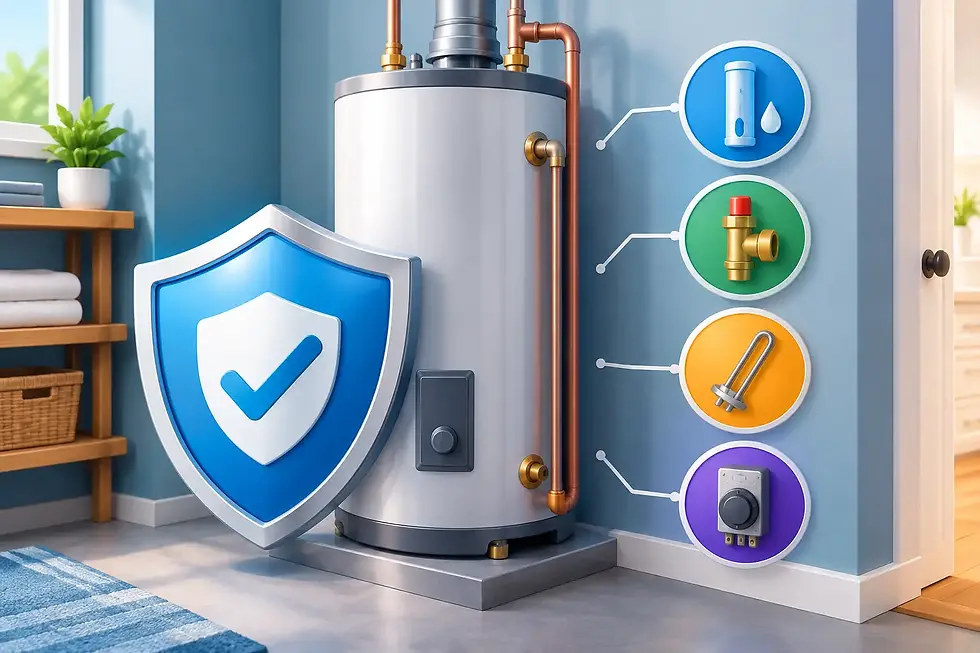
Most water heaters have a shutoff valve on the cold-water supply line. If that valve is partially closed, worn, or obstructed, it can limit the amount of water entering the heater. Less water entering the tank means less hot water moving to fixtures throughout the home.
Valves can become difficult to operate as they age, and forcing a corroded or failing valve can create a leak. Rather than trying to adjust it yourself, have a plumbing professional inspect the valve and surrounding connections. If the valve is the issue, replacing it is usually a straightforward repair when handled before a failure occurs.
Sediment inside the water heater
Water naturally carries minerals and sediment. Over time, those materials can settle in a tank-style water heater and affect how the system performs. Sediment does not always cause low pressure by itself, but heavy buildup can contribute to restricted flow, reduced heating efficiency, strange noises, and shorter equipment life.
A professional assessment is especially worthwhile if the heater is older, hot water has become inconsistent, or you hear popping or rumbling from the tank. In some cases, maintenance may help. In others, the condition and age of the equipment make replacement the more dependable long-term choice.
A failing mixing valve or pressure-balancing valve
Many showers use a pressure-balancing valve or thermostatic mixing valve to manage water temperature. These components are designed to protect comfort and safety, but internal wear or mineral buildup can reduce hot-water flow. A shower may then feel weak only when the handle is turned toward hot, even though cold water remains strong.
This problem can be confusing because the water heater may be operating normally. A plumber can test the fixture valve, identify worn parts, and determine whether a repair cartridge or a full valve replacement makes the most sense.
Corroded or restricted hot-water pipes
Older plumbing systems can develop internal corrosion, scale, or mineral buildup. Because hot-water lines are exposed to heat and constant use, restrictions can become noticeable on the hot side first. Galvanized steel piping is particularly prone to narrowing internally over time.
Pipe restrictions usually develop gradually and may affect several areas of the home. The right repair depends on the pipe material, the location of the restriction, and the overall condition of the system. Spot repairs can be effective in some homes, while recurring restrictions may signal that a more complete repiping plan should be considered.
A water heater connection or dip tube issue
The water heater has several connections and internal parts that support proper water flow. A deteriorated connection, blockage, or damaged internal component can affect performance. These concerns are best evaluated by a professional because water heaters involve pressurized water, electrical or gas connections, and temperature safety controls.
If low pressure comes with rusty water, leaking near the heater, inconsistent temperatures, or a lack of hot water, do not wait for the problem to become more disruptive. Prompt service can protect your home from water damage and help determine whether repair is still practical.
When Low Hot Water Pressure Needs Prompt Service
Low flow does not always mean an emergency, but certain symptoms deserve quick attention. Call a plumber promptly if you see water leaking around the heater or supply lines, notice discolored hot water, smell gas near a gas water heater, or hear unusual noises from the system. A sudden major drop in pressure throughout the house can also indicate a significant plumbing issue.
If there is active flooding, turn off the home's water supply if it is safe to do so and contact a plumbing professional. If you smell gas, leave the area, avoid switches or open flames, and contact the gas utility or emergency services according to local guidance before arranging plumbing repair.
Why the Cold-Water Comparison Matters
Homeowners often describe the issue as low water pressure, but the difference between hot and cold flow is one of the most valuable clues. When both sides are weak, the cause may involve the home's main supply, a pressure regulator, a whole-house filtration system, or another broader water-flow concern. When only hot water is weak, attention shifts toward the heater, hot-water lines, and fixture components.
That distinction helps prevent the wrong repair. Replacing a showerhead will not correct a restricted water heater supply, and replacing a water heater will not solve a worn shower valve. A careful inspection is the best way to identify the actual source.
What to Expect From a Professional Inspection
A qualified residential plumber will begin by asking which fixtures are affected and how long the issue has been present. They may check hot and cold flow at several locations, inspect the water heater and its shutoff valve, review visible piping, and evaluate fixture valves where needed.
From there, the recommendation should match the condition of your system. A simple fixture repair may be enough. If the water heater is near the end of its service life, has internal buildup, or shows signs of corrosion, replacement may provide better value than repeated repairs. For aging pipes, the scope of work should be based on evidence of the restriction rather than assumptions.
Cornerstones Plumbing provides dependable residential plumbing service for homeowners across Middle Tennessee. Clear communication and professional workmanship matter when a water-pressure problem affects a daily routine.
Weak hot-water flow can make every shower, sink, and load of dishes feel harder than it should. Paying attention to the pattern and calling for a professional evaluation early gives you the best chance to correct the problem before a small restriction becomes a larger repair.


Comments