

Residential Plumber for Older Homes
Older homes have character. They also have plumbing systems that can hide problems behind walls, under floors, and below the yard for years before anything becomes obvious. If you need a residential plumber for older homes, you are not just looking for someone to fix a leak. You need a professional who understands how aging materials, past repairs, and modern plumbing demands all affect the way an older house performs.
That matters in Middle Tennessee, where many homes have gone through decades of additions, remodels, fixture swaps, and partial repairs. A house may still look solid on the surface while dealing with outdated supply lines, worn drain systems, or a sewer line that is one heavy rain away from trouble. In older homes, plumbing problems rarely stay small for long.
Why older homes need a different plumbing approach
A newer home usually has plumbing built around modern fixtures, predictable materials, and relatively consistent installation standards. Older homes are different. The system may include a mix of copper, galvanized steel, cast iron, PVC, or other materials added at different times. What was repaired 20 years ago may not match what was installed 60 years ago.
That is why experience matters. A plumber working on an older home has to do more than identify the immediate issue. He also needs to understand what caused it, what surrounding parts may be close behind, and whether a repair will truly solve the problem or only buy a little time.
Sometimes a targeted repair is the right call. Other times, a section of pipe has reached the point where replacement is the more dependable and cost-effective option. The right answer depends on the material, access, overall condition, and how long you plan to stay in the home.
Common plumbing issues in older houses
Older houses tend to show the same categories of plumbing trouble, even if the symptoms look different from one home to another. Low water pressure is a common complaint, especially where older galvanized pipes have narrowed inside over time. Water may still flow, but not the way a family expects from showers, sinks, and appliances running in a modern household.
Drain problems are another frequent issue. Slow drains, recurring clogs, and sewer odors can point to aging drain lines, buildup, improper past repairs, or underground sewer concerns. In some homes, the problem is not one fixture. It is the condition of the drain system as a whole.
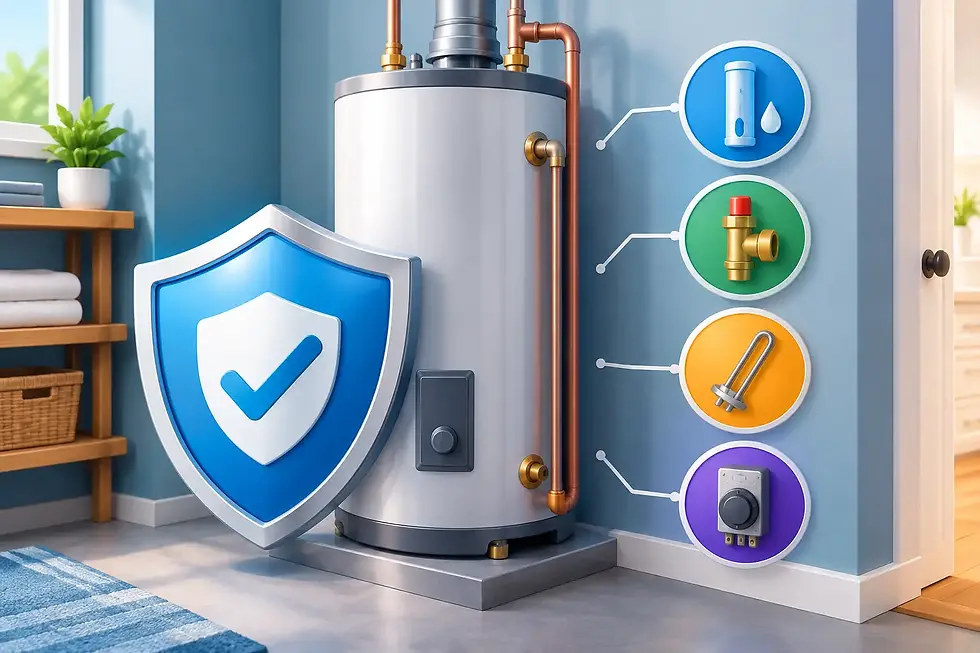
Water heaters in older homes also deserve attention. Even if the heater itself is newer, the surrounding connections, shutoff valves, venting conditions, or water quality issues may need to be addressed. An installation that works fine in a newer home may require a more careful plan in an older one.
Then there are the hidden issues. Small slab leaks, worn supply lines behind walls, and underground water line damage can go unnoticed until they become expensive. A sudden spike in the water bill, damp flooring, stained walls, or a soft patch in the yard often points to a larger problem that has been developing over time.
What a residential plumber for older homes should look for
A good inspection of an older home's plumbing should go beyond the obvious leak or backup. The goal is to understand the system, not just the symptom. That includes evaluating pipe materials, visible corrosion, fixture performance, shutoff valve condition, water heater connections, drain function, and any signs of underground trouble.
It also helps to know the home's history. If a bathroom was added years after the original construction, that plumbing may tie into the main system in ways that affect performance elsewhere. If different contractors handled repairs over the years, there may be shortcuts or mismatched materials that need to be corrected.
This is one reason homeowners benefit from working with a residential-focused plumbing team. Residential plumbing is not one-size-fits-all, and older homes make that even more clear. The work should be done with respect for the home, the family living in it, and the long-term reliability of the system.
Repairs versus replacement in older home plumbing
Homeowners often want a clear yes or no answer - repair it or replace it. In older homes, the honest answer is usually that it depends.
If a single section of pipe is leaking but the surrounding plumbing is still in good shape, a repair may be the right move. If the system shows widespread age, corrosion, or repeated failure, patching one area at a time can become more expensive and more frustrating than planning a larger update.
The same is true for drains and sewer lines. A local clog is one thing. A line with root intrusion, collapse, or advanced deterioration is another. Temporary relief may get water moving again, but it does not always protect the home from future backups.
Good plumbing advice should reflect the real condition of the home, not a sales pitch. Homeowners deserve to know what is urgent, what can wait, and what options make the most sense for their budget and timeline.
Water quality and water heaters in older homes
Older plumbing systems often reveal water quality issues more quickly than newer ones. Mineral buildup, discolored water, and sediment can affect fixtures, appliance performance, and the life of the water heater. If you have noticed inconsistent hot water, strange noises from the tank, or rust-colored water, the issue may involve more than the heater alone.
A proper water heater repair or replacement should account for the home's plumbing condition, household demand, and water quality. In some homes, adding water filtration is a practical long-term improvement. It can help protect fixtures and appliances while improving day-to-day water use.
That does not mean every older home needs the same setup. Some homes mainly need a dependable new water heater and updated connections. Others benefit from a broader look at the water coming into the house and how it is affecting the plumbing system overall.
Underground water and sewer concerns
Many of the most serious plumbing issues in older homes are outside the walls. Aging underground water lines and sewer lines can create problems that show up slowly at first and then all at once. Wet spots in the yard, unexplained drops in water pressure, repeated drain backups, and foul odors near the home are all signs that should be taken seriously.
These issues are especially important in older neighborhoods, where original underground lines may be near the end of their service life. Tree roots, soil movement, and long-term wear can all affect performance. A reliable diagnosis matters here because surface symptoms can point in several directions.
For homeowners, the practical concern is simple: a hidden underground issue can turn into property damage, sanitation problems, and major disruption if left alone. Fast, professional attention helps limit that risk.
Choosing the right plumber for an older home
Not every plumbing company approaches older homes the same way. If your house has aging pipes, an older bathroom layout, sewer concerns, or a water heater setup that has changed over time, you want a plumber who works in homes like yours on a regular basis.
Look for clear communication, realistic recommendations, and a strong residential service focus. You should feel confident that the plumber is evaluating the whole situation, not just rushing toward the quickest visible fix. Older homes reward careful workmanship and good judgment.
That is especially true when plumbing work affects daily life for your family. Water service, drainage, and hot water are not optional comforts. They are part of what keeps a home running the way it should.
For homeowners in Tennessee communities where older homes are common, working with a dependable local company matters. Cornerstones Plumbing, LLC serves residential customers with the kind of straightforward, professional service that helps homeowners make sound decisions without confusion or pressure.
When to call a residential plumber for older homes
If your home has recurring leaks, low water pressure, discolored water, drain backups, sewer odors, or an aging water heater, it is time to have the system looked at. Waiting usually does not make older plumbing simpler or less expensive to address.
The best time to act is often before a small issue becomes an emergency. A professional evaluation can clarify whether you need a repair, a replacement, or a plan for phased updates over time. That kind of guidance is valuable in any home, but especially in one where the plumbing has been working hard for decades.
An older home can remain dependable for many years with the right care. The key is having a plumber who respects what the home is, understands what the system needs, and does the work right the first time.


Comments