

What Is Residential Service Plumbing?
A leaking water heater at 6 a.m. or a sewer smell that shows up after a storm usually sends homeowners to the same question: what is residential service plumbing, and is this the kind of plumber I need? In simple terms, residential service plumbing is the diagnosis, repair, replacement, and maintenance of plumbing systems in homes. It focuses on the problems and upgrades that affect daily life inside and around a house - hot water, drains, toilets, fixtures, water lines, sewer lines, and water quality.
For most homeowners, the distinction matters because not every plumber does the same kind of work. Some plumbing companies focus on new construction. Others handle commercial systems in offices, restaurants, or industrial buildings. Residential service plumbing is different. It is centered on occupied homes, real-life problems, and practical solutions that restore safety, comfort, and reliability.
What is residential service plumbing in a home?
Residential service plumbing covers the plumbing systems a homeowner depends on every day. That includes water coming into the house, wastewater leaving the house, and the fixtures and appliances connected to both. When something stops working properly, a residential service plumber finds the cause and corrects it.
That can mean repairing a water heater that is no longer heating consistently, replacing a worn-out toilet, clearing a drain line, fixing a hidden leak, or diagnosing low water pressure. It can also include larger jobs, such as underground water line repair, sewer line work, or installing a whole-home water filtration system.
The key point is that service plumbing is not just about emergencies. It also includes planned improvements and preventive work. Homeowners often call for service when a problem becomes obvious, but many service visits are about replacing aging equipment before it fails or improving how the plumbing system performs.
How residential service plumbing differs from other plumbing work
A lot of confusion comes from the word plumbing being used as if it means one thing. In practice, there are different specialties.
New construction plumbing is typically installed before a home is finished. The work follows plans, building stages, and inspections. Commercial plumbing often involves larger, more complex systems with different code requirements, heavier usage, and equipment designed for business settings.
Residential service plumbing is more diagnostic. The plumber walks into an existing home, identifies what is happening, and recommends the best repair or replacement based on the age of the system, the condition of the materials, and the homeowner's goals. That takes a different skill set than simply installing plumbing in a house that has no walls closed up yet.
There is also an important customer-service side to residential work. The plumber is working in someone's home, often while the family is living there and trying to keep the day moving. That means clear communication, respect for the property, and practical recommendations matter just as much as technical ability.
What services are usually included?
Residential service plumbing can cover a wide range of problems and upgrades, but most calls fall into a few core areas.
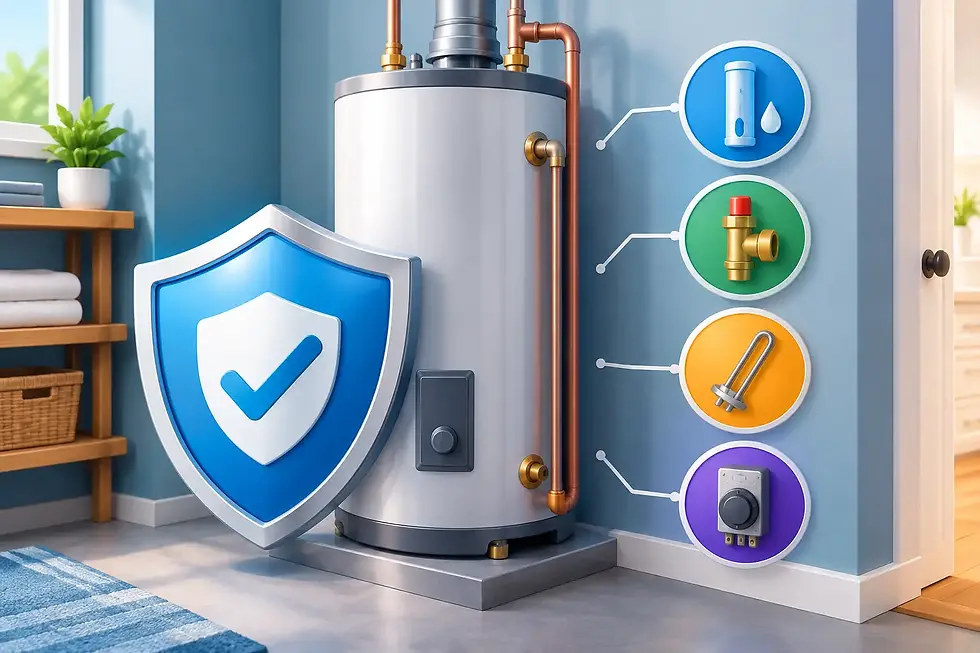
Water heater service is one of the most common. Homeowners call when they lose hot water, notice rust-colored water, hear unusual noises from the tank, or see signs of leaking around the unit. Sometimes the right answer is repair. In other cases, replacement makes more sense, especially if the unit is older and repair costs are starting to add up.
Bathroom plumbing is another major category. That includes toilets that run or clog repeatedly, faucets that drip, showers with poor pressure, tub drains that back up, and fixture replacements during remodeling or updates. Even small bathroom issues can waste water and create hidden damage over time.
Drain and sewer work is also a big part of residential service plumbing. A slow sink drain may seem minor, but repeated backups can point to a deeper blockage. If multiple drains in the home are affected, the issue may involve the main sewer line rather than one isolated fixture.
Water line and underground plumbing repairs are more serious because they can affect the whole property. Low pressure, unexplained wet spots in the yard, higher water bills, or discolored water can all point to problems below the surface. These jobs require proper diagnosis and a repair plan that fits the condition of the line.
Water quality solutions also fall under residential service plumbing. Many homeowners in Tennessee are paying closer attention to sediment, hard water, taste, and overall water condition. Installing or servicing a water filtration system can be part of improving both water quality and the performance of fixtures and appliances.
When should a homeowner call a residential service plumber?
Some plumbing issues are obvious emergencies. Burst pipes, sewage backups, and water heater leaks should be addressed quickly because they can damage the home and create health or safety concerns.
Other calls are less dramatic but still worth making sooner rather than later. A toilet that needs constant plunging, a faucet leak that never quite stops, or a water heater that runs out too fast may not feel urgent today. But these are often the kinds of problems that become more expensive when ignored.
It also makes sense to call when something just feels off. Maybe the hot water is inconsistent. Maybe the kitchen sink drains slower each month. Maybe you have noticed a spike in the water bill without a clear reason. Plumbing systems usually give some warning before major failure, but those signs are easy to overlook until the problem gets worse.
For homeowners planning updates, a service plumber can also help before work begins. Replacing fixtures, upgrading an older water heater, or adding filtration is easier when the job is approached proactively instead of after a failure.
What happens during a residential service plumbing visit?
A professional service visit usually starts with questions. When did the problem begin? Is it happening all the time or only at certain times? Has any recent work been done on the home? These details help narrow down the source of the issue.
From there, the plumber inspects the affected system and diagnoses the cause. Sometimes the fix is straightforward. A worn fill valve in a toilet or a failing shutoff valve can often be identified quickly. Other cases require more investigation, especially when the symptoms point to hidden leaks, underground line problems, or drainage issues deeper in the system.
Once the problem is identified, the homeowner should get a clear explanation of what is wrong, what options are available, and whether repair or replacement is the better long-term decision. That matters because the cheapest immediate fix is not always the most cost-effective path. If a water heater is near the end of its service life, for example, repeated repairs may not be the smartest use of money.
Why experience with residential systems matters
Homes are not all built the same, and plumbing systems age differently based on materials, installation quality, usage, and water conditions. A house with older galvanized piping presents different concerns than a newer home with modern materials. A sewer issue in a rural area may not look the same as one in a newer subdivision.
That is why residential experience matters. The plumber is not just fixing a symptom. He or she is evaluating how the problem fits into the broader condition of the home's plumbing system. In some situations, a targeted repair is exactly right. In others, that repair may only buy a short amount of time before another part fails.
A trustworthy plumber should be honest about that difference. Homeowners do not need pressure. They need straightforward guidance that helps them protect the house and make a sound decision.
What homeowners should expect from residential service plumbing
Good residential plumbing service should feel clear and dependable. Homeowners should expect professionalism, good workmanship, and recommendations that match the actual condition of the home. They should also expect practical communication, because plumbing issues are stressful enough without vague answers.
That does not mean every problem has a quick or inexpensive fix. Some issues are simple. Others involve aging infrastructure, difficult access, or underground repairs that take more time and planning. The important thing is knowing what you are dealing with and having confidence that the work is being handled correctly.
For families, that confidence matters. Plumbing is not a background system until it fails. It affects hot showers, clean water, working bathrooms, laundry, cooking, and the basic comfort of the home. Reliable residential service plumbing keeps those essentials working the way they should.
For homeowners in Middle Tennessee, working with a company that focuses on residential plumbing - and understands the practical needs of local homes and families - can make the process a lot easier. Cornerstones Plumbing, LLC is built around that kind of dependable, professional service.
If you have been wondering whether your issue falls under residential service plumbing, the answer is usually simple: if it affects the water, drains, fixtures, or plumbing systems in your home, this is the service designed for it. Getting the right help early is often the best way to protect your home and avoid bigger problems later.


Comments